In this part:
Division structure (OU)
OUs are needed for two things: applying group policies and delegating rights. Do not copy the organizational structure exactly the same — it changes more often than it is needed for AD. Working option:
corp.example.kz
├── Company
│   ├── Users          (сотрудники, при необходимости — по городам)
│   ├── Computers      (рабочие станции)
│   ├── Servers
│   ├── Groups
│   └── Service Accounts
└── Admins             (админские учетки отдельно)
Standard Users and Computers containers are not OUs: group policies cannot be linked to them. Redirect new objects there:
redircmp "OU=Computers,OU=Company,DC=corp,DC=example,DC=kz"
redirusr "OU=Users,OU=Company,DC=corp,DC=example,DC=kz"
Groups: rights through groups, not to users
Classic AGDLP scheme: Accounts → Global groups by roles (accounting) → Domain Local-groups by resources (access to the "Accounting" folder, read) → Permissions on the resource.
Assign permissions to folders, printers, and applications to groups. Then hiring and dismissing is adding to or removing from the group, not editing rights on dozens of resources.
User attributes
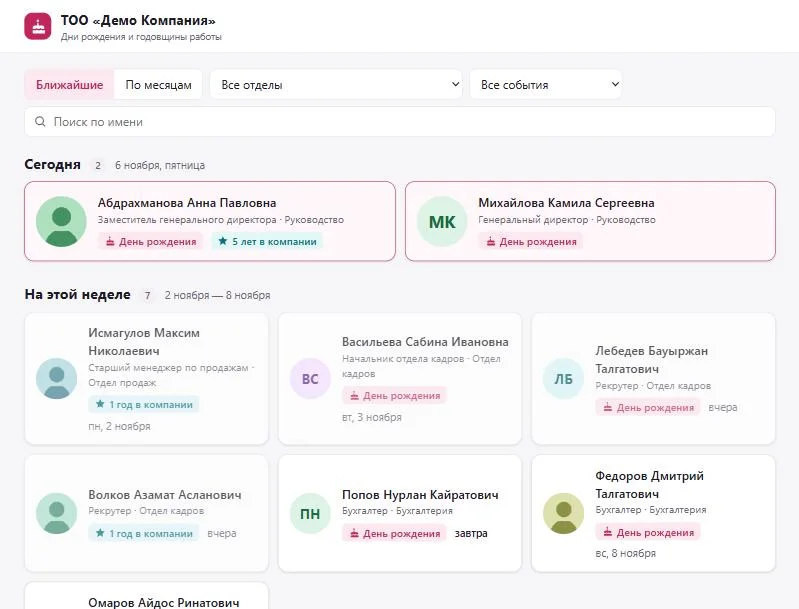
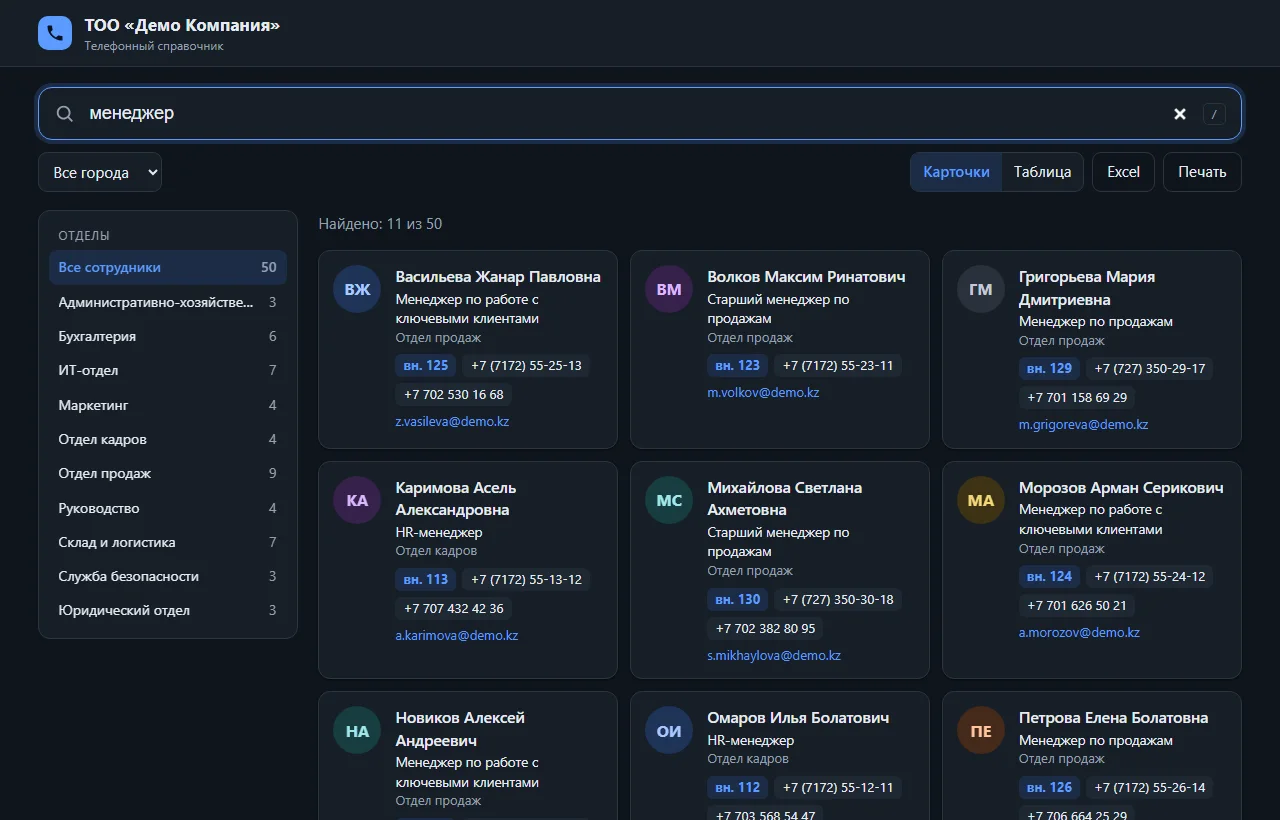
Fill in the attributes immediately when creating the account: full name, position, department, phone number, head, e-mail. This is the foundation for mail, corporate directory, and integrations (ACS, HR systems).